Your pupils—the black circular openings in the center of your eyes—play a crucial role in regulating how much light enters your eyes. The way they dilate (enlarge) or constrict (shrink) is controlled by the autonomic nervous system and can be influenced by light, emotions, medications, and medical conditions.
While mild changes in pupil size are normal, abnormal or persistent dilation can indicate underlying health issues, including neurological disorders, eye diseases, or serious emergencies requiring immediate attention. This article explores the causes of pupil size changes, when they signal a problem, and the importance of comprehensive eye exams.
The Role of the Pupil in Vision
The pupil serves as the gateway for light entering the eye. It expands or contracts in response to external stimuli, controlled by two muscles:
- The sphincter pupillae (contracts the pupil in bright light)
- The dilator pupillae (expands the pupil in dim light)
This automatic process ensures that the eye adjusts to varying lighting conditions, improving vision and protecting the retina from excessive light exposure.
Common Causes of Pupil Size Changes
1. Normal Pupil Reactions
- Light exposure: Pupils constrict in bright environments and dilate in darkness.
- Emotional response: Fear, excitement, or attraction can cause temporary pupil dilation.
- Focus adjustments: Pupils change size depending on near and far focusing.
2. Medical and Neurological Conditions Affecting the Pupil
a) Anisocoria (Unequal Pupil Sizes)
A slight difference in pupil size is common and often harmless. However, sudden or significant anisocoria may indicate:
- Horner’s syndrome (damage to the sympathetic nerves, often due to stroke or tumor)
- Third nerve palsy (potentially caused by brain aneurysms or trauma)
- Adie’s tonic pupil (a rare neurological disorder affecting pupil response)
b) Mydriasis (Abnormally Dilated Pupils)
Persistent pupil dilation can result from:
- Brain injuries or concussions
- Glaucoma medications (e.g., atropine drops)
- Neurological disorders like multiple sclerosis
- Drug reactions (e.g., stimulants, hallucinogens, or antidepressants)
c) Miosis (Abnormally Constricted Pupils)
Excessive pupil constriction may be linked to:
- Opioid use or overdose
- Horner’s syndrome
- Inflammation or infections like uveitis
When to Seek Professional Eye Care
While minor fluctuations in pupil size are common, sudden, unexplained, or persistent changes require a professional evaluation. Seek immediate medical attention if you experience:
- Severe headache or dizziness
- Double vision or loss of vision
- Pupil changes following head trauma
- Unequal pupils with drooping eyelids or facial pain
Dr. Jiwani offers comprehensive eye exams in Toronto to diagnose and address pupil abnormalities.
Diagnosing Pupil Irregularities: What to Expect During an Eye Exam
A thorough eye exam assesses pupil response and overall eye health. The examination may include:
- Pupillary light reflex tests to check for normal reactions
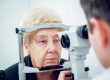
- Slit-lamp examinations for detecting infections or nerve damage
- Neurological assessments if a systemic condition is suspected
- Imaging tests (MRI or CT scans) in severe cases
If the issue is detected in children, pediatric eye exams ensure early intervention and treatment.
Preventing and Managing Pupil Disorders
To maintain eye health and detect issues early:
- Schedule regular eye exams, especially if you notice pupil irregularities
- Protect your eyes from excessive sunlight with UV-blocking sunglasses
- Avoid drugs that may affect pupil function
- Manage underlying conditions such as diabetes or high blood pressure
If you wear contact lenses, ensure proper hygiene and routine check-ups with Dr. Jiwani’s contact lens services.
Book an Eye Exam with Dr. Jiwani in Toronto
Understanding changes in pupil size can help you identify potential health concerns early. If you notice unusual pupil behavior or experience other eye-related symptoms, schedule an appointment with Dr. Jiwani in Toronto. Regular eye check-ups can detect issues before they become serious.